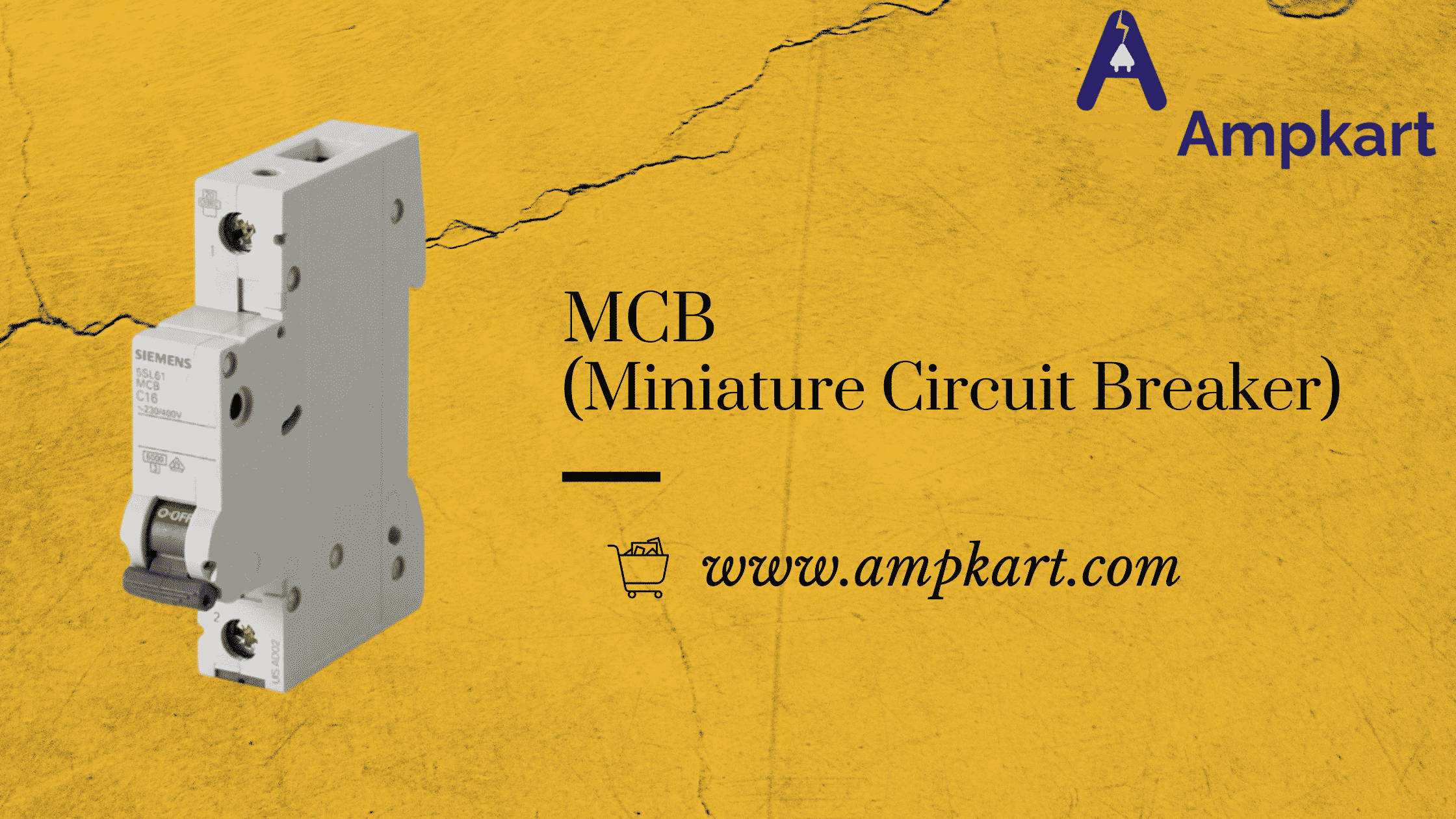
What are the Categories and Advantages of MCB?
The intensity of the excessive current determines the operation time of the MCBs, which are delay trip units. This means they are enabled if there is an appropriate overload to put the safe circuit in jeopardy.
Why use an MCB?
MCBs are used to protect your domestic equipment and powerful industrial appliances from short circuits and excess current. A circuit breaker, unlike a fuse, can be reset to standard function after one use.
Working of MCB
There are two contacts, one of which is fixed and the other of which is mobile. A solenoid causes the movable contact to open when the flow reaches the predetermined limit, and the MCB cuts off, preventing the flow of current in the circuit. The MCB is manually switched on to resume the flow of current. This mechanism protects against faults caused by excessive current or overload.
Types of MCBs
Every MCB has a specific tripping curve, B, C, D, or even a very specialised curve that differs from MCB brand to brand. IEEE regulations create the B, C, and D curves.There are three types:
- Type B MCB
This form of MCB can trip at a rate of three to five times its current rating in an instance. These are usually used for resistive or small induction machines that have very low switching overloads.
- Type C MCB
This form of MCB can trip at a rate of five to ten times its current rating in an instance. These are typically used for high induction machines, such as small motors and fluorescent lamps, where shifting overvoltage is high. C-type MCBs are favoured in these situations because they can withstand the strongest short-circuit currents.
- Type D MCB
This MCB fires at a rate of ten to twenty-five times its maximum capacity in an instance. These are widely used for very high input voltage with a constant high input current. These are appropriate for a variety of industrial and commercial uses.
Advantages of MCBs over Fuse
- Identify the defective region of an electrical circuit quickly and easily.
- Resuming supply is easy.
- Improved user interface: A Knob.
- Electrically less dangerous.
- More current-sensitive than a fuse.
- Maintenance and repair costs are lower.
Disadvantages of MCBs
- The MCB is more costly than the fuse.
- The MCB distribution system is more expensive than a rewireable fuse panel.
- The possibility of overheating the circuit due to an individual who is not eligible to operate it has been eliminated.
-
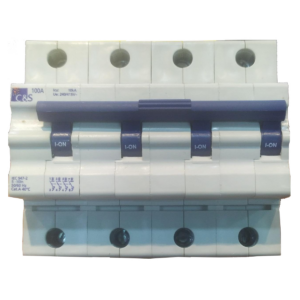 C&S WiNtrip 100A 4 Pole MCB 10kA âÃÂÃÂCâÃÂÃÂâÃÂù6,344
 -
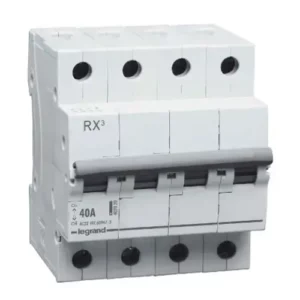 Legrand RX3 40A 4 Pole IsolatorâÃÂù1,081
 -
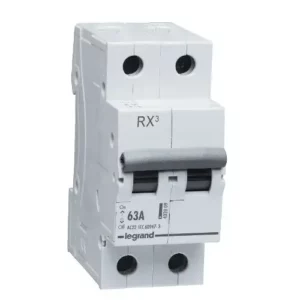 Legrand RX3 63A 2 Pole IsolatorâÃÂù611
 -
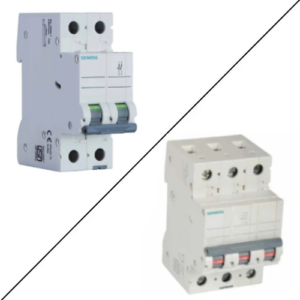 Siemens 5SX MCB 10kA âÃÂÃÂCâÃÂÃÂâÃÂù514 âÃÂàâÃÂù1,865
 -
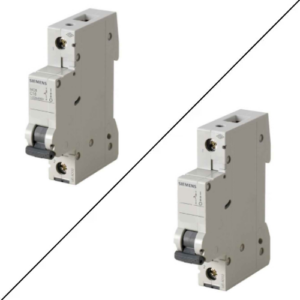 Siemens Betagard 1 Pole MCB 10kA âÃÂÃÂCâÃÂÃÂâÃÂù268
 -
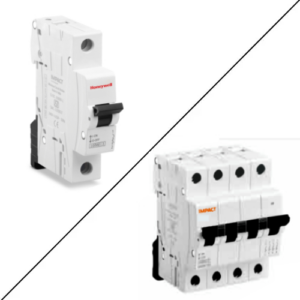 Honeywell Impact MCB 10kA âÃÂÃÂCâÃÂÃÂâÃÂù138 âÃÂàâÃÂù5,643
 -
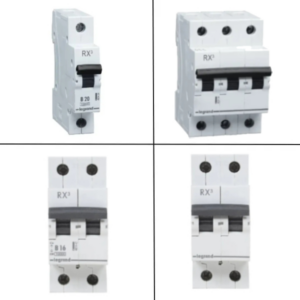 Legrand RX3 MCB 10kA âÃÂÃÂBâÃÂÃÂâÃÂù186 âÃÂàâÃÂù1,547
 -
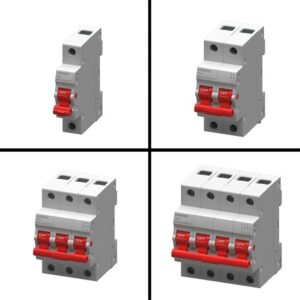 Siemens Sinova Isolator ACâÃÂù336 âÃÂàâÃÂù894
 -
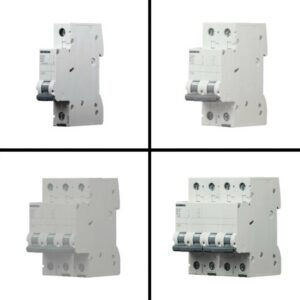 Siemens Sinova MCB 6kAâÃÂù146 âÃÂàâÃÂù1,784